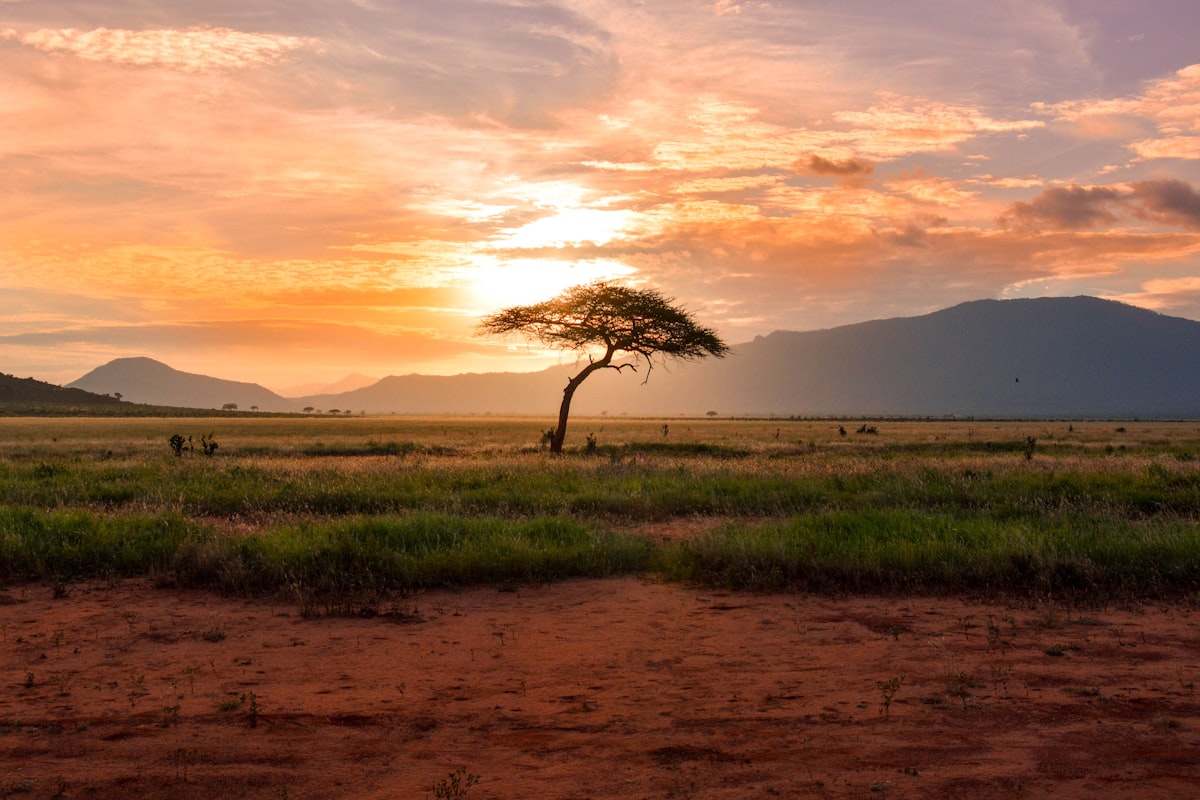
Every year, the Okavango River flows from the Angolan highlands and disappears into the Kalahari Desert — creating a vast inland delta of 15,000 square kilometres that blooms with life in one of the world’s most extraordinary ecological events. The Okavango Delta is a UNESCO World Heritage Site and the jewel of Botswana’s conservation estate.
Why the Okavango is Special
Botswana made a deliberate choice: low-volume, high-value tourism. Visitor numbers are strictly limited; camps are small; prices are high. What you get is exclusivity and one of the most pristine wilderness experiences left on Earth. You may spend an entire day in the bush without seeing another vehicle.
Getting Around the Delta
Mokoro (traditional dugout canoe) is the iconic Okavango experience — poled silently through papyrus channels as hippos grunt nearby and kingfishers arrow past. Walking safaris and game drives complete the picture. Some camps are accessible only by light aircraft.
Key Areas
Moremi Game Reserve: The best wildlife area within the delta, with exceptional big cat sightings. Chief’s Island and the Khwai region are particularly productive.
Linyanti and Savuti: Famous for large elephant herds (sometimes 100+ animals at a waterhole) and wild dog packs.
Makgadikgadi Pans: The world’s largest salt pan network hosts hundreds of thousands of flamingos and a zebra migration that rivals the Serengeti at scale.
Practical Considerations
- Budget USD $800–$1,500+ per person per night for quality camps
- Dry season (May–October) is prime; July–August peak for big game
- Fly-in camp packages from Maun or Kasane are standard
- Combine with Chobe National Park for exceptional elephant and buffalo herds