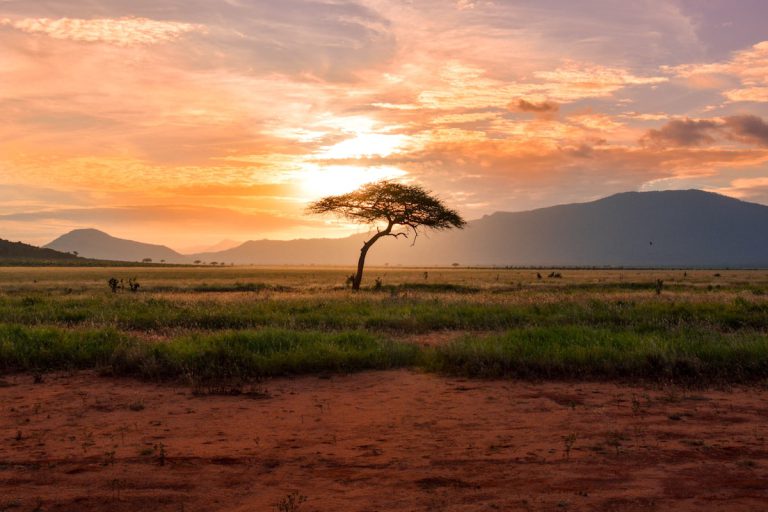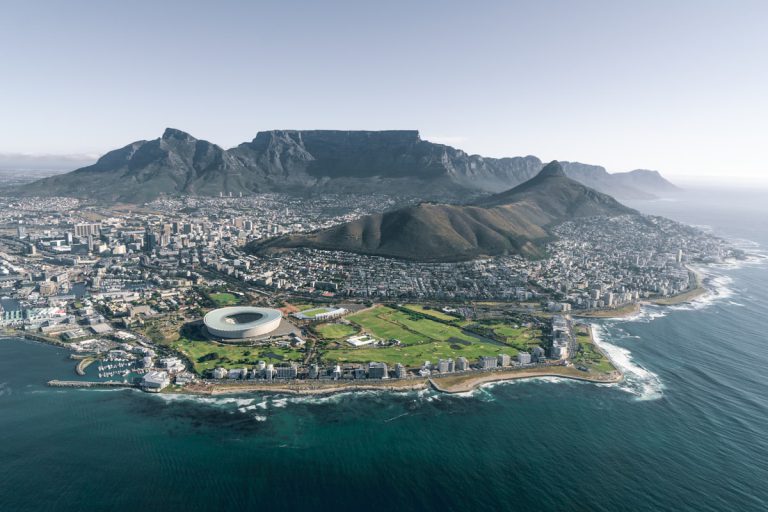
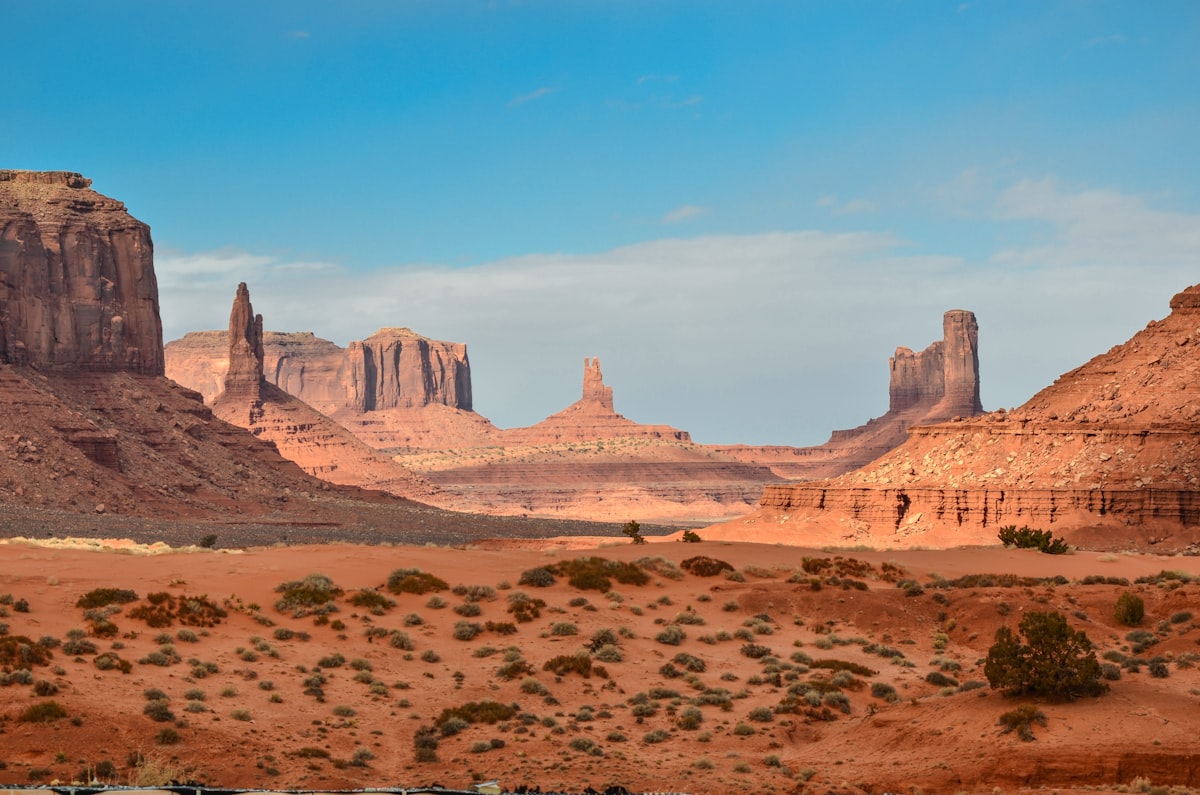
Namibia is Africa for people who think they don’t like Africa. There are no mosquitoes in the desert. It is one of the safest countries on the continent. The roads are excellent. And the landscapes — ancient red dunes, salt pans white as snow, skeleton forests — are among the most otherworldly on Earth.
Sossusvlei and the Namib-Naukluft Park
Dune 45 and Big Daddy are two of the world’s most photographed sand dunes — their red-orange flanks rising over 300 metres. Climb one at sunrise. Behind them, Deadvlei is a surreal clay pan studded with 900-year-old dead camelthorn trees, their black silhouettes stark against the white ground and impossibly blue sky.
Etosha National Park
Etosha centres on a vast salt pan visible from space. During the dry season (June–October), wildlife concentrates around waterholes in extraordinary densities. Illuminated waterholes at camps like Okaukuejo allow night viewing — lions and elephants drinking three metres from where you sit.
The Skeleton Coast
Named for the bleached bones of whales and shipwrecked sailors, this national park offers haunting beauty: fog-shrouded beaches, desert-adapted lions, and Cape fur seal colonies numbering in the hundreds of thousands.
The Self-Drive Circuit
The classic Namibia loop from Windhoek covers Sossusvlei, Fish River Canyon (Africa’s largest), the Skeleton Coast, Damaraland (home to desert rhinos), and Etosha. Allow 14–21 days. A 4×4 is recommended.
Practical Info
- Best season: May to October (dry, cool, excellent game viewing)
- Self-catering lodges and camp sites are well-equipped
- Book accommodation and park entry far ahead for July–August