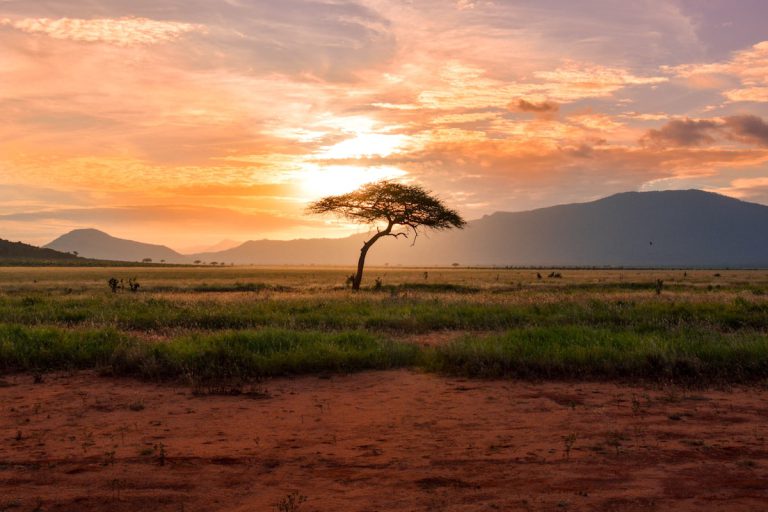

The Serengeti is one of the most iconic wildlife destinations on Earth. Stretching across 30,000 square kilometres of Tanzania, this ancient ecosystem has witnessed the drama of the Great Migration for millions of years — and today, you can witness it too.
When to Go
The Great Migration follows the rains. From December to March, wildebeest calves are born on the southern short-grass plains near Ndutu. By June, the herds surge northward toward the Mara River for the dramatic river crossings. October marks the southward return.
For the river crossings — arguably the most spectacular wildlife event on the planet — plan your visit between July and September in the northern Serengeti near Kogatende.
Where to Stay
Accommodation ranges from luxury tented camps with butler service to mobile camps that follow the migration. The Serengeti is large enough that where you stay matters enormously. Central Seronera offers year-round cat sightings; the north is wilder and more remote; the south is magical during calving season.
What to Expect
Beyond the wildebeest, the Serengeti supports Africa’s highest concentration of lions, along with cheetahs, leopards, elephants, giraffes, and over 500 bird species. A full game drive can yield sightings of the Big Five before breakfast.
Hot-air balloon safaris at dawn offer a perspective no vehicle can match — drifting silently over herds as golden light floods the plains.
Getting There
Fly into Kilimanjaro International Airport (JRO) or Julius Nyerere International Airport (DAR), then connect on a charter flight to Seronera Airstrip. Overland from Arusha takes approximately six hours.
Practical Tips
- Book camps 12–18 months ahead for peak migration season
- Pack neutral colours — khaki, olive, grey — for game drives
- A telephoto lens (300mm+) transforms your wildlife photography
- Malaria prophylaxis and travel insurance are essential
The Serengeti rewards patience and presence. Sit quietly at a waterhole at dusk and Africa will reveal herself on her own terms.